
We only do one thing: hook and loop, specified properly.
A specialist manufacturer, not a general trading company. One material, with weaving and converting under our own roof.
A narrow catalogue is a feature, not a limitation.
A general trading company will quote hook and loop from a catalogue of ten thousand items. You get a number quickly — and then discover three months later that the loop side was swapped, or that the adhesive was rated for 60 °C while your lamination line runs at 90 °C.
We keep the range narrow so the specification can stay precise. Every product on this site belongs to a defined construction family. Each family has a defined hook geometry, loop density, backing and tolerance — and someone who can explain the difference between them before you commit to a mould or a season.
- 1One spec sheet per SKUWidth, colour, backing, packing and the surface it closes against are written down — not remembered.
- 2Sample before massWe ship samples for evaluation and produce to your own sample or drawing. Nothing runs until you have signed off a physical sample made on the same line.
- 3We say what will failIf the brief asks for something the material cannot do, we quote the alternative instead.
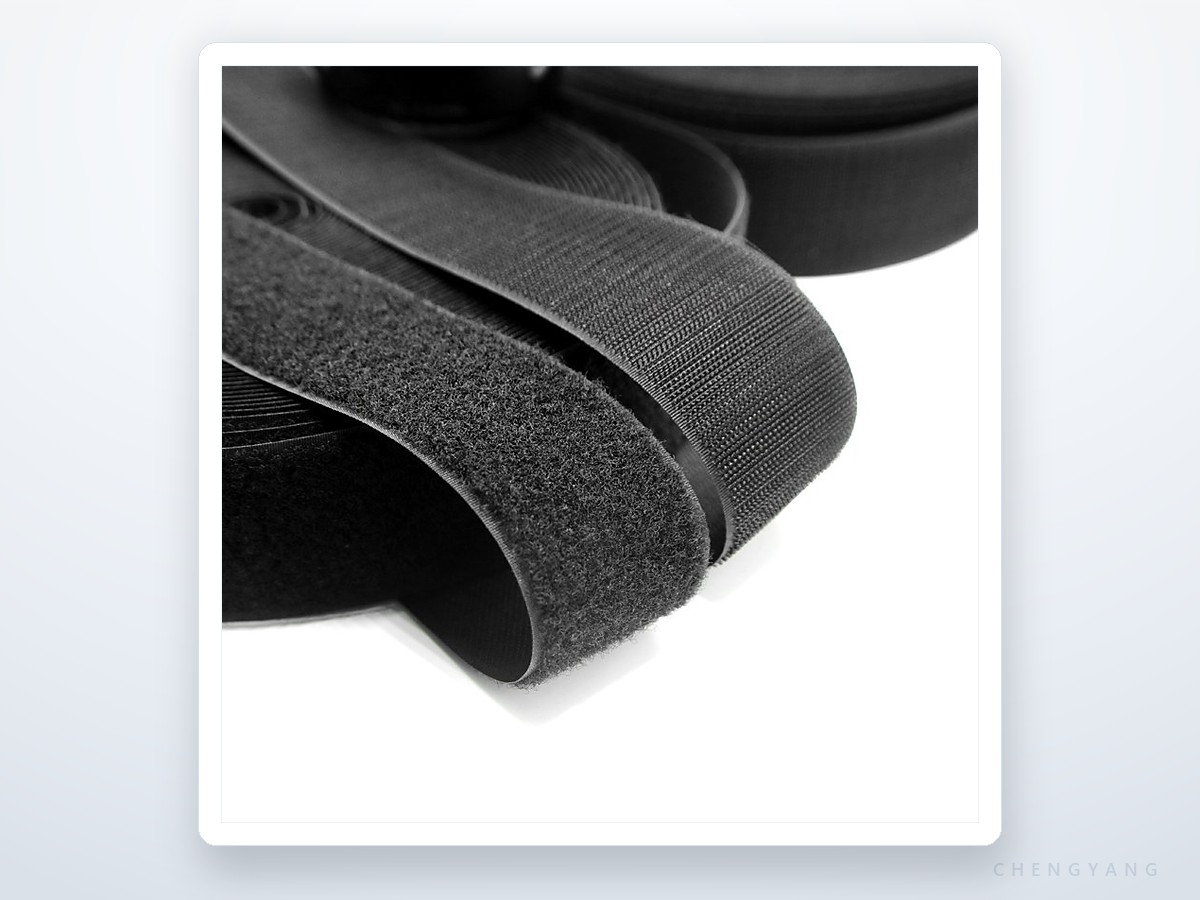 Sew-on / adhesive / die-cut
Three things we control, separately
Weaving, converting and documenting fail in different ways. Mixing them is how a good roll becomes a bad strap.
What we weave
- Woven nylon and polyester hook and loop in roll form
- Molded hook (injection) tape for thin, high-cycle closures
- Elastic and non-fray backings for wearable programmes
What we convert
- Slitting from 10 mm, with burr-free edges
- Adhesive coating, liner selection and die-cutting
- Sewing, welding, strap assembly and retail packing
What we document
- OEKO-TEX Standard 100 and REACH documentation on request
- Batch traceability from yarn lot to carton
- AQL inspection reports against the approved sample
How the line is controlled
Four control points, in this order. A lot that fails any one of them is held, not shipped.
- Yarn and raw material intakeEach lot is checked for yarn count, width and backing before it enters the line.
- Weaving and finishing parametersHook geometry, loop density, tension and heat setting are recorded by construction.
- Sample against drawingPeel, shear and width are measured against the drawing before anything is quoted as standard.
- Repeat-order inspectionEvery repeat shipment is inspected to an agreed AQL plan; failures are reworked or replaced.
What we will not do
- Quote without a specification. A price without width, backing and grade is a guess.
- Substitute material without written approval. If a lot runs short, you hear it from us first.
- Promise a lead time our own line has not confirmed in writing.
Inside our factory
Weaving, finishing, slitting, coating and die-cutting run under one roof in Fuzhou. Export is from Fuzhou, China; the port and Incoterm are confirmed with your quotation.
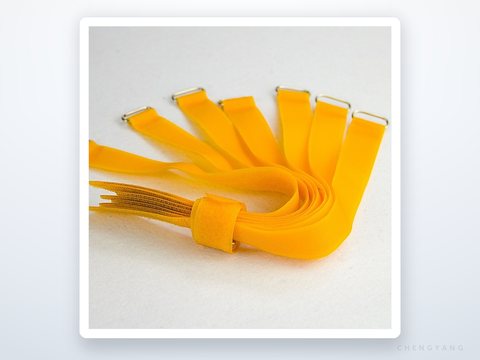
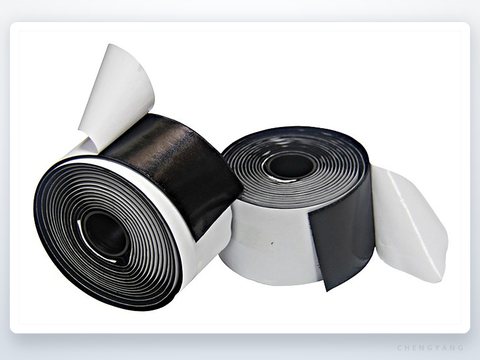
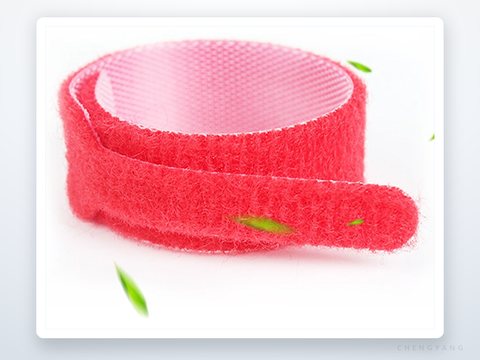
What the material actually looks like
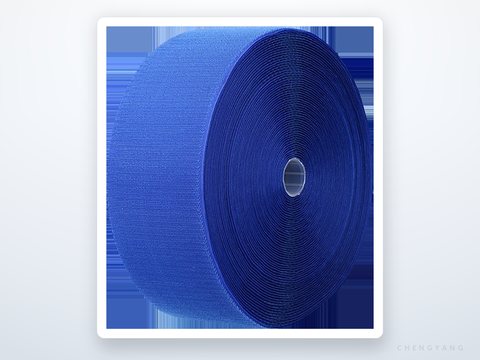
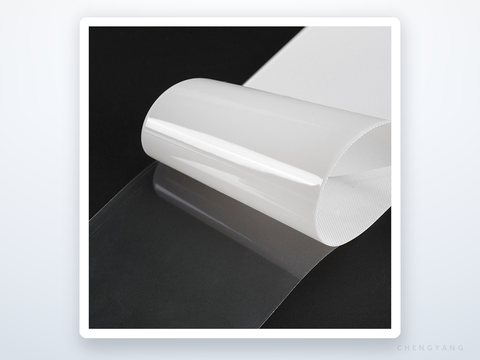
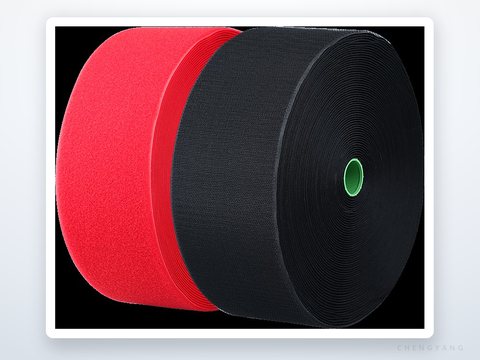
Hook field, loop density, backing and edge finish — the four things a drawing cannot show you until you see them at magnification.
What buyers ask before the first order
What is your minimum order quantity?
MOQ is set per material, width and converting step, and is confirmed with your quotation. Sampling is possible before a production order, so you can approve a physical part rather than a rendering.
Can you match a colour?
Yes. Send a Pantone reference or a physical swatch and we match to it. Dyed lots are checked against the approved swatch, and the minimum run per colour is confirmed on quotation.
Which adhesive should I choose?
Acrylic for long-term outdoor and UV exposure, hot-melt for high initial tack on paper and board, rubber for low-surface-energy plastics. We test on your actual substrate before production.
How fast can you send samples?
Sample lead time is confirmed when we quote. It depends on whether the item is a stock construction or a new die, and on whether the colour has to be dyed to match. Samples are shipped worldwide; sample cost and freight are quoted with the specification.
Send the drawing. We will tell you what will fail.
Width, colour, backing, quantity and the surface it has to stick to — that is enough to start.